


Introduction to the program
The program aims to equip graduates with advanced knowledge and practical skills in drug development and pharmaceutical analysis to meet research, professional, and innovation needs
With the advancement in drug design and development technologies and pharmaceutical analytical methods, the importance of specialized graduate programs has emerged in preparing qualified scientific professionals for diverse career pathways in scientific research, the pharmaceutical industry, regulatory authorities, and academic institutions. The Master of Pharmaceutical Sciences in Drug Development and Pharmaceutical Analysis offers an integrated academic pathway that provides an in-depth study of the design, synthesis, analysis, and evaluation of pharmaceutical compounds using advanced research methodologies and applied laboratory training, with an emphasis on chemical and bioanalytical pharmaceutical techniques as well as scientific evaluation and quality control practices relevant to contemporary pharmaceutical applications.
The program is based on advanced coursework and applied laboratory training that equips students with specialized skills in drug design, development, and analysis using approved pharmaceutical and biological techniques. This approach enhances understanding of the scientific processes involved in optimizing pharmaceutical compounds and prepares graduates to contribute to research and development and to the advancement of innovative pharmaceutical solutions in the health sciences.
The program is offered as a course-based master’s degree consisting of 14 courses, totaling 42 credit hours, delivered over two academic years. It provides a solid scientific and practical foundation that supports progression into advanced professional career pathways or further graduate studies in related pharmaceutical and health science disciplines.
Mission
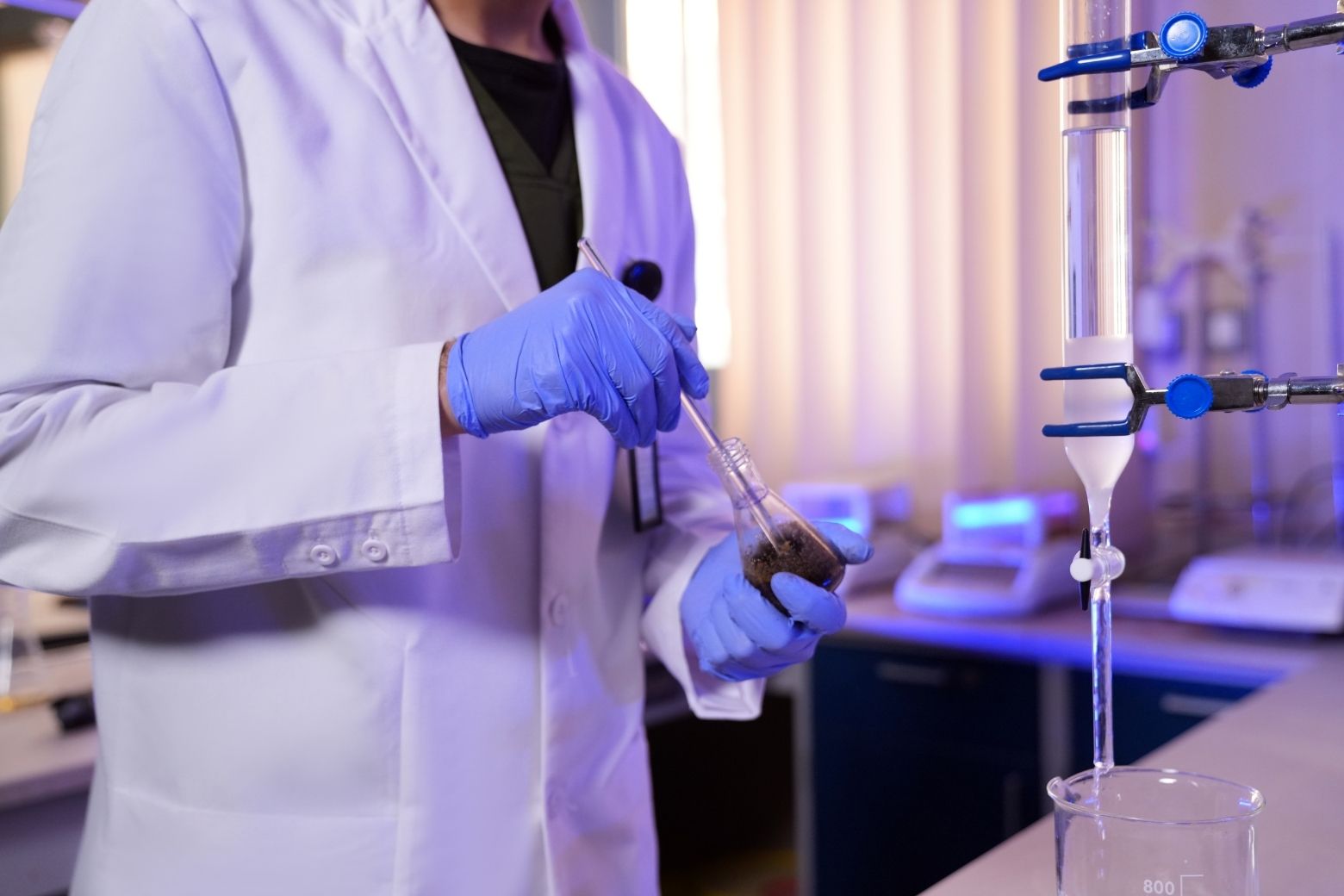
The course is designed to allow students to gain knowledge and research, practical skills that they can apply in a variety of pharmaceutical science fields, including pharmaceutical analysis, quality control, and drug development. The program will also provide candidates the opportunity to combine advanced pharmaceutical analysis with drug discovery, manufacturing and development. A laboratory-based research project supervised by subject-matter specialists is a crucial part of the course, equipping students with the knowledge and abilities needed to design, create, analyze, and quality control future pharmaceuticals. A key advantage of this course is that students will be able to opt out of the program after finishing the first year and obtaining a higher diploma in pharmaceutical science in drug development and pharmaceutical analysis if they complete 24 hours of core courses.
Objectives
- Improving the analysis and manufacturing of active pharmaceutical ingredients and dosage forms.
- Training and graduating pharmacy and science professionals qualified with advanced knowledge and experience to work in various pharmaceutical and health care fields.
- Encouraging creative thinking and innovation in the field of drug development and contributing to the development of new drugs and conducting scientific research in the field of drug development.
The Master of Pharmaceutical Sciences in Drug Development and Pharmaceutical Analysis at Prince Sattam bin Abdulaziz University aims to equip graduates with advanced scientific knowledge and applied technical skills in the fields of drug development and pharmaceutical analysis. Graduates of the program are prepared for specialized scientific and technical roles in both the public and private sectors, including, but not limited to, pharmaceutical and biotechnology companies, governmental and regulatory agencies, research centers, healthcare institutions, and academic organizations. These roles include:
- Drug discovery and development research, through participation in the design, development, and evaluation of pharmaceutical compounds within research institutions and pharmaceutical industries.
- Chemical and bioanalytical pharmaceutical analysis, by applying advanced analytical techniques for drug characterization and evaluation in quality control laboratories, research centers, and regulatory environments.
- Scientific evaluation and analytical studies of pharmaceuticals, through data analysis, validation of analytical methods, and support of evidence-based scientific decision-making in regulatory and research-oriented settings.
- Quality control and quality assurance in the pharmaceutical field, through the implementation of quality testing, adherence to approved analytical standards, and monitoring of pharmaceutical product quality in manufacturing and regulatory sectors.
The program also provides a strong academic foundation that supports further graduate studies or engagement in advanced research pathways within pharmaceutical sciences and related health science disciplines.
The Master of Pharmaceutical Sciences in Drug Development and Pharmaceutical Analysis prepares its graduates to work in a range of professional sectors that are directly aligned with the program’s intended learning outcomes. Graduates are qualified to assume scientific and technical roles that comply with the applicable regulations and policies of relevant authorities. These sectors include the following:
- Healthcare Sector: Graduates work in areas related to the evaluation and monitoring of pharmaceutical products, as well as supporting technical and analytical activities associated with drug safety and the improvement of healthcare quality. Examples: Public health programs, drug safety systems, and specialized healthcare services.
- Regulatory and Oversight Sector: Graduates contribute to scientific evaluation of medicines, pharmaceutical analysis, and support regulatory and monitoring activities in accordance with approved regulatory frameworks. Examples: National bodies responsible for regulating and monitoring pharmaceutical and health products.
- Pharmaceutical Industrial Sector: Graduates are engaged in research and development, chemical and bio-pharmaceutical analysis, and quality control and quality assurance of pharmaceutical products. Examples: Pharmaceutical manufacturing companies and organizations involved in drug formulation and biotechnology development.
- Academic and Educational Sector: Graduates participate in scientific research, academic and laboratory support, and contribute to educational and scholarly activities related to the program’s specialization.Examples: Colleges of Pharmacy, health-related colleges, and relevant educational institutions.
- Scientific and Applied Research Sector: Graduates work in conducting applied and experimental research related to drug development, pharmaceutical analysis, and evaluation of pharmaceutical compounds. Examples: Research centers, research and development units, and specialized laboratories.
- Bioequivalence and Bioanalytical Studies Sector: Graduates contribute to conducting accredited analytical studies and applying bioanalytical methods used in the assessment of drug bioavailability and bioequivalence. Examples: Clinical research centers and accredited bioanalytical laboratories.
Graduates of the Master of Science in Pharmaceutical Sciences (Drug Development and Pharmaceutical Analysis) are distinguished by the following competencies:
- Analytical Innovation & Pharmaceutical Problem-Solving
Graduates apply advanced critical thinking and data analysis skills to address complex pharmaceutical challenges. They utilize innovative approaches to design and optimize pharmaceutical products that are safe, effective, and fully compliant with industry requirements. - Integrated Expertise in Formulation Science and Drug Design
Graduates possess a comprehensive understanding of pharmaceutical formulation science, drug design, and drug synthesis, enabling effective scientific and practical contributions across pharmaceutical development activities. - Professional Communication & Interdisciplinary Synergy
Graduates excel at conveying complex scientific information clearly and collaborating effectively within multidisciplinary teams. They bridge pharmaceutical sciences, engineering, and healthcare through teamwork and precise technical communication. - Ethical Integrity & Global Regulatory Compliance
Graduates are committed to the highest standards of professional ethics and integrity. They ensure strict adherence to Saudi Food and Drug Authority regulations and global regulatory frameworks, with a strong emphasis on quality assurance in all professional practices. - Strategic Leadership & Industrial Stewardship
Graduates demonstrate autonomy and leadership in managing pharmaceutical and industrial projects. They take responsibility for advancing the pharmaceutical sector and supporting public health through impactful and sustainable contributions. - Advanced Research & Evidence-Based Innovation
Graduates are capable of designing and executing independent research within industrial and applied contexts. By applying rigorous scientific methodologies and interpreting complex data, they contribute to the advancement of pharmaceutical formulations and the discovery of new medicinal products.
Master of Pharmaceutical Science in Drug Development and Pharmaceutical AnalysisProgram Plan | ||||||
| Level | Course Code | Course Title | Core or Elective | Pre-Requisite Courses | Credit Hours | Type of requirements (Institutional, College, or Program |
| Level 1 | PHC 601 | Advanced synthetic reactions of pharmaceutical compounds | Core | — | 4 (2+2) | Program Requirements |
| PHC 602 | Pharmaceutical Spectroscopic and Structural Techniques | Core | — | 3 (2+1) | Program Requirements | |
| PHC 603 | Pharmaceutical separation techniques | Core | — | 3 (2+1) | Program Requirements | |
| PHC 604 | Drug Metabolism | Core | — | 3 (2+0) | Program Requirements | |
| Level 2 | PHC 605 | Advanced Drug Design | Core | — | 3 (2+1) | Program Requirements |
| PHC 606 | Pharmaceutical Analysis and Method Validation | Core | — | 3 (2+1) | Program Requirements | |
| PHC 607 | Advanced Chromatographic and Biopharmaceutical analysis | Core | — | 3 (2+1) | Program Requirements | |
| … | Elective Course (1) | Elective | — | 3 (3+0) | Program Requirements | |
| Level 3 | PHC 608 | Heterocycles in Medicinal Chemistry | Core | — | 3 (2+1) | Program Requirements |
| PHC 609 | Kinetic and Spectrophotometric Methods in Drug Analysis | Core | — | 3 (2+1) | Program Requirements | |
| PHC 610 | Research Project (1) | Core | — | 3 (0+3) | Program Requirements | |
| PHC 611 | Research Seminar | Core | — | 2 (2+0) | Program Requirements | |
| Level 4 | … | Elective Course (2) | Elective | — | 3 (3+0) | Program Requirements |
| PHC 612 | Research Project (2) | Core | PHC 610 | 4 (4+0) | Program Requirements | |
List of Elective Courses | |||
| Course Code | Course Title | Credit Hours | |
| 1 | PHC 613 | Quality Control in Drugs and Pharmaceuticals | (3+0) |
| 2 | PHC 614 | Selected Topics in Pharmaceutical Analysis | (3+0) |
| 3 | PHC 615 | Selected Topics in Medicinal Chemistry | (3+0) |
| 4 | PHC 616 | Enzymology in Medicinal Chemistry | (3+0) |